Why Many Americans Still Hesitate to Adopt Solar Panels—and Why That's Changing
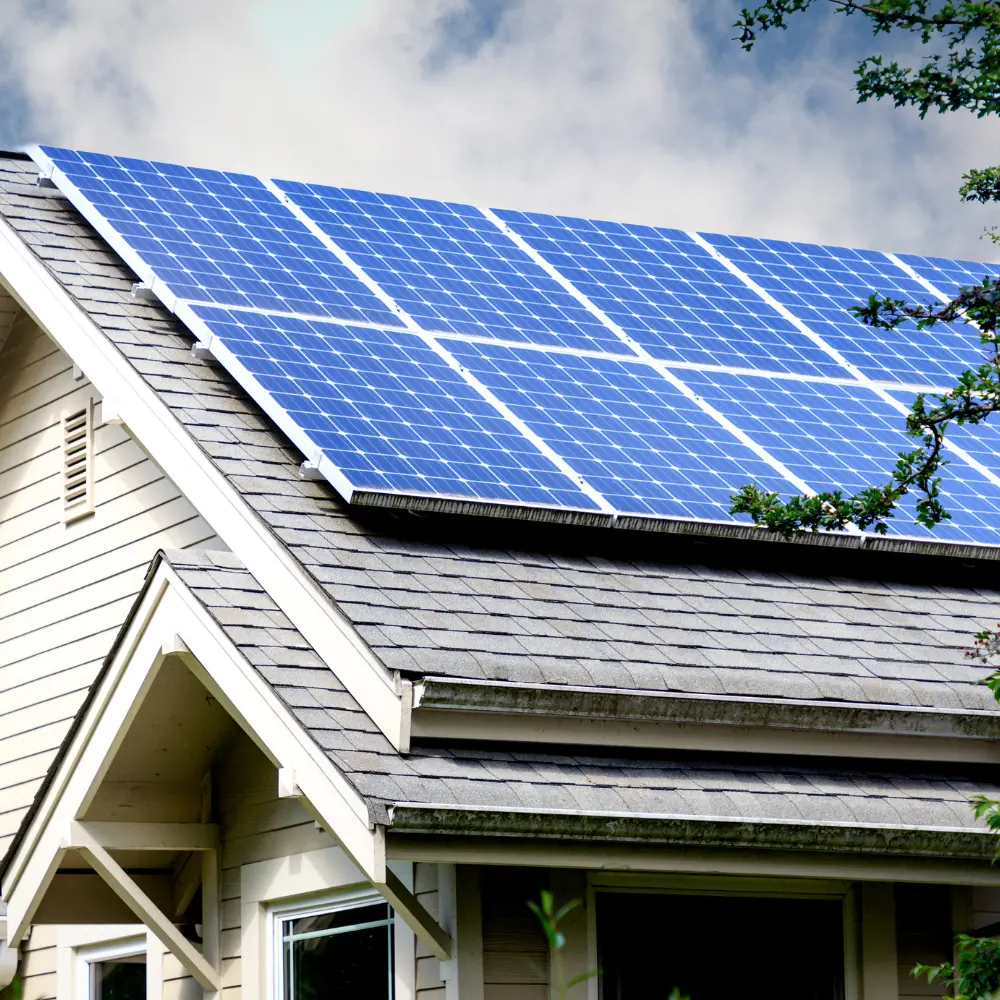
Despite record heatwaves, increasing power outages, and a growing desire for energy independence, millions of U.S. homeowners still hesitate to install solar panels. At first glance, this reluctance may seem counterintuitive—after all, solar energy offers long-term savings, environmental benefits, and greater energy control. Yet hesitation persists, often fueled by a mix of uncertainty, misinformation, and policy confusion.
This hesitation doesn't just slow clean energy adoption—it directly impacts household utility costs, regional grid stress, and national climate goals. Understanding the real reasons behind solar resistance is essential. When those concerns are properly addressed—not dismissed or minimized—more homeowners can confidently embrace solar energy. The truth is that most of the barriers to solar panels are no longer technological or financial in nature. They're informational. Here's why people still hesitate—and why that's quickly changing.
Top Reasons People Are Not Getting Solar Panels
- Perceived High Upfront Costs: For many homeowners, the sticker shock of installing solar panels remains a significant roadblock. Even as prices have dropped by more than 50% over the last decade, the initial installation cost can still reach $15,000 to $25,000 without incentives, depending on system size and energy needs. What is often overlooked is that numerous financing models now exist that eliminate this upfront burden. Federal and state tax credits, solar loans, and power purchase agreements (PPAs) enable homeowners to adopt solar energy with minimal or even zero down payments. Over time, the average solar-equipped household saves between $10,000–$30,000 over 20 years, according to the U.S. Department of Energy.
- Complex Incentive Structures: The alphabet soup of rebates, credits, and local programs makes solar adoption more confusing than it should be. The federal Investment Tax Credit (ITC) allows homeowners to deduct 30% of the system cost. Yet, many people either don't know about it or find the process of claiming it intimidating. Add state-level rebates and utility-based net metering policies, and it's easy to feel overwhelmed. This confusion becomes a reason to delay rather than make a decision. However, local solar providers often handle the paperwork and walk clients through these incentives step-by-step.
- Misinformation and Scams: Some of the most stubborn barriers to solar energy adoption aren't financial—they're emotional. Stories of high-pressure sales tactics, unexpected fees, and shady installers have made many Americans suspicious. And those stories are often valid. Unfortunately, this has created a climate of doubt. We here at Energy Brite have over ten years of experience. We only work with NABCEP® (North American Board of Certified Energy Practitioners®) PV (Photovoltaic) certified installers, so you can ensure you're getting the best solar panels when working with us.
- Aesthetic Concerns: Let's be honest—some people just don't like how solar panels look. Aesthetics may not directly impact performance, but they are important to homeowners. Especially in neighborhoods with strict HOA guidelines or homes with high curb appeal, traditional black-and-silver panel arrays may not be welcome. Design innovations, however, are rapidly addressing this. Building-integrated photovoltaics (BIPV), such as solar shingles and flush-mounted panels, offer subtle options that blend with a roofline. Panels are becoming not only more efficient—but also more elegant. Discuss your design concerns with us, and we'll ensure that your solar panels are not only effective but also aesthetically pleasing.
- Structural Limitations: Solar isn't a one-size-fits-all solution. Homes with poor roof orientation, heavy shading, or aging infrastructure may not support solar systems efficiently or at all. This structural limitation leads some homeowners to believe they're simply not candidates. But advances in microinverter technology, ground-mounted systems, and shared solar (also known as community solar) are expanding access. Before installing anything, our trained technicians will visit your home and review your roof to decide the best options for your needs.
- Uncertainty About Return on Investment: Return on investment (ROI) is often misunderstood. Homeowners want to know: when will my system pay for itself? While the national average is between 6 and 9 years, individual variables—such as electricity rates, system size, and local climate—can affect this number. Still, the financial case remains strong. According to the EPA's Solar for All program, low-income households can see monthly utility savings of up to 20%, and the national program is expected to generate over $350 million in annual savings. For most homeowners, the long-term ROI of solar panels outpaces that of traditional investments, such as bonds or savings accounts.
- Health and Environmental Benefits: People often frame solar energy as a financial decision, but its public health and environmental impacts are equally significant. The CDC highlights that fossil fuel-based electricity contributes to asthma, heart disease, and heat-related illnesses—particularly in urban and marginalized communities. Cleaner energy sources, including solar, directly reduce air pollutants like NOx and SO₂. The Environmental Protection Agency adds that, unlike fossil fuel sources, solar power generation produces no air pollution or greenhouse gases during operation. Battery storage and smart grid improvements, along with solar panels, offer not just cleaner energy—but healthier communities.
- Policy and Regulatory Challenges: A final, often overlooked issue is inconsistent policy. Some states offer net metering at full retail rates, while others compensate solar users at wholesale prices, reducing the perceived benefit. Local permitting delays, utility resistance, and shifting regulations further complicate the picture. However, advocacy and legislation are evolving. According to the 2024 "The 50 States of Solar" report from the N.C. The Clean Energy Technology Center (NCCETC) reports that almost every state took some form of action on net metering, rate design, and solar ownership policies. Federal grants from the Greenhouse Gas Reduction Fund are helping to expand equitable access to solar energy, particularly in disadvantaged communities.
Consider Solar Panels Today
Solar panels are no longer a luxury or a novelty—they're a viable, proven energy solution. The reasons people hesitate are understandable: cost confusion, design concerns, structural limitations, and inconsistent policies. But none of these barriers are permanent. Many are already being dismantled through better financing, smarter technology, and increased regulatory support.
As climate urgency mounts and utility bills rise, solar isn't just a good idea—it's becoming a necessity. For homeowners and building managers alike, the time to act is now. Getting informed, evaluating your property, and working with certified providers are the first steps toward energy independence and long-term resilience. Solar panels are no longer just about saving money—they're about building a future that's stable, clean, and within reach.
Related Reading


 We are thrilled to say that we are Staten Island's only BPI GoldStar Contractor and to be a part of NYSERDA's Home Performance with Energy Star Program.
 Experience unparalleled energy efficiency and indoor comfort with Energy Bute's. spray foam insulation.
  Our talented team has a demonstrated track record of success and satisfied customers. When it comes to solar panels and solar energy, our team knows what they are talking about.
 We offer Home Energy Audit services in Staten Island.Getting an energy audit performed on a home saves individuals up to 25% on their energy bill (annually).