
New solar project
Coordinate battery goals during planning so protected loads, equipment, electrical capacity, placement, and utility requirements are considered together.
Solar and battery planning
Plan battery storage around critical loads, outage goals, utility rules, equipment compatibility, available space, electrical capacity, and budget.
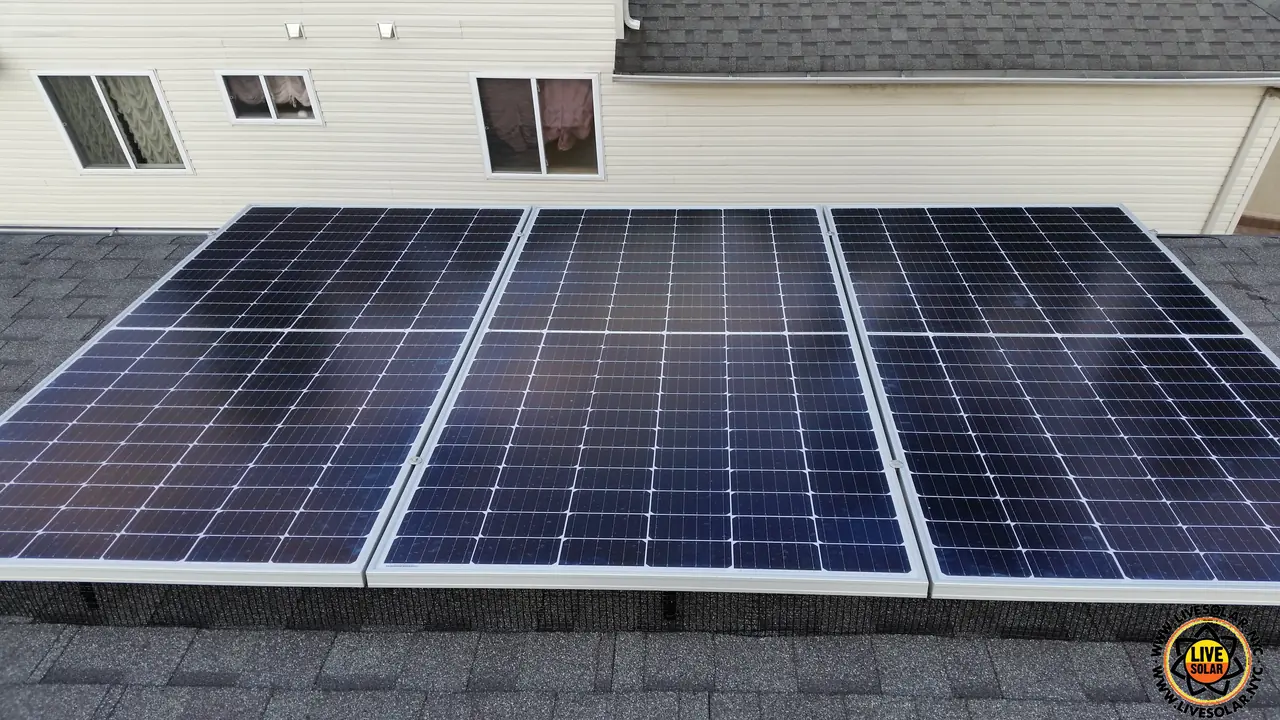
Battery storage can provide backup power when configured for backup, increase self-consumption, shift energy use away from higher-cost periods, and support future energy needs. The correct configuration depends on critical loads, outage goals, utility rules, available space, equipment compatibility, and budget.
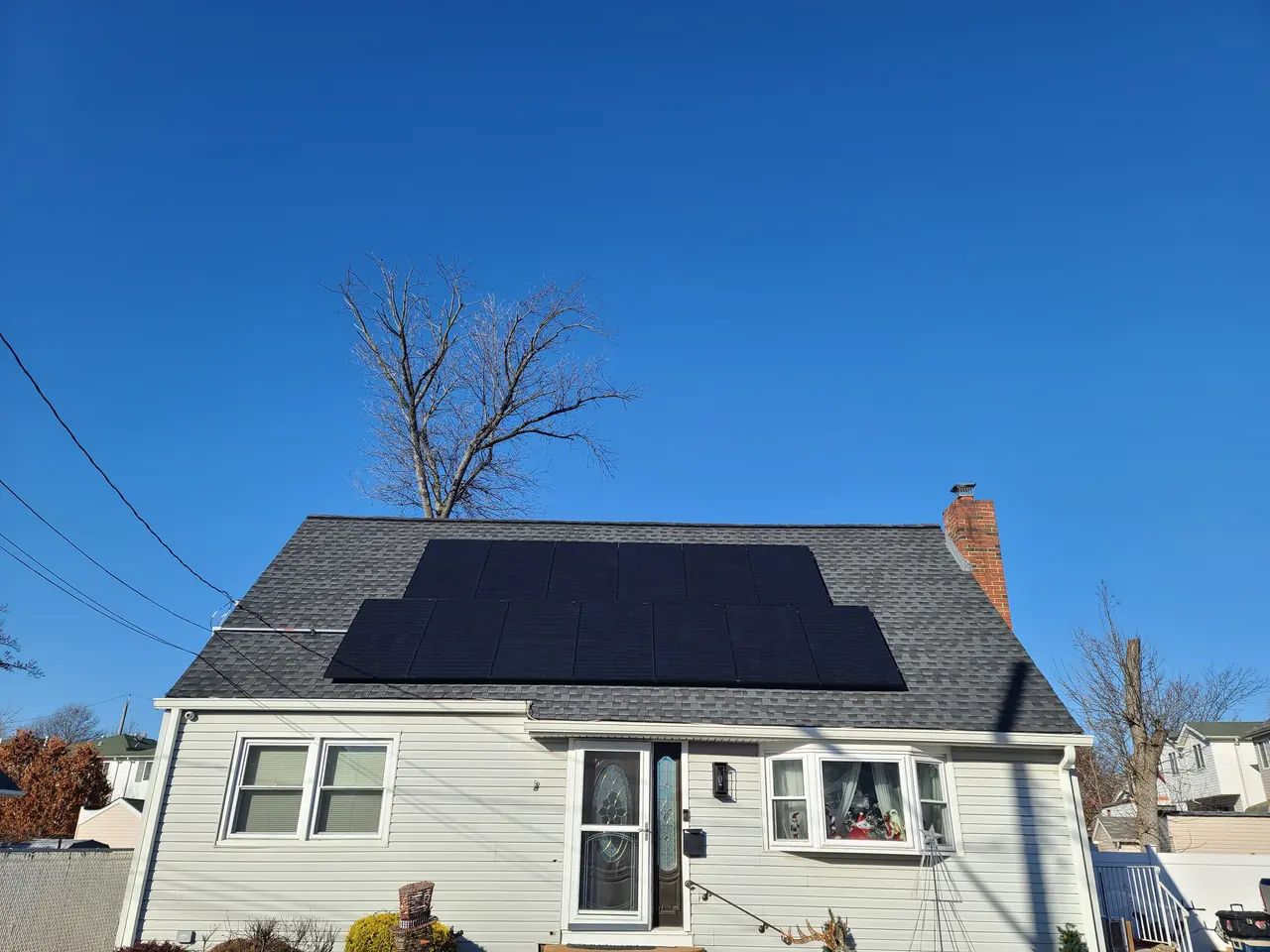
Battery-ready planning considers equipment location, clearances, environmental exposure, electrical capacity, protected-load selection, transfer equipment, communications, and future expansion. Review electrical readiness considerations.
Coordinate battery goals during planning so protected loads, equipment, electrical capacity, placement, and utility requirements are considered together.
Review inverter, electrical, communications, warranty, space, and compatibility conditions before recommending an addition or replacement.
Final equipment, placement, protected loads, permits, utility requirements, and scope are confirmed through project review and the written agreement.
Not every solar-plus-storage system powers the entire home or operates indefinitely. Backup depends on protected loads, capacity, equipment, state of charge, solar production, operating conditions, and configuration.